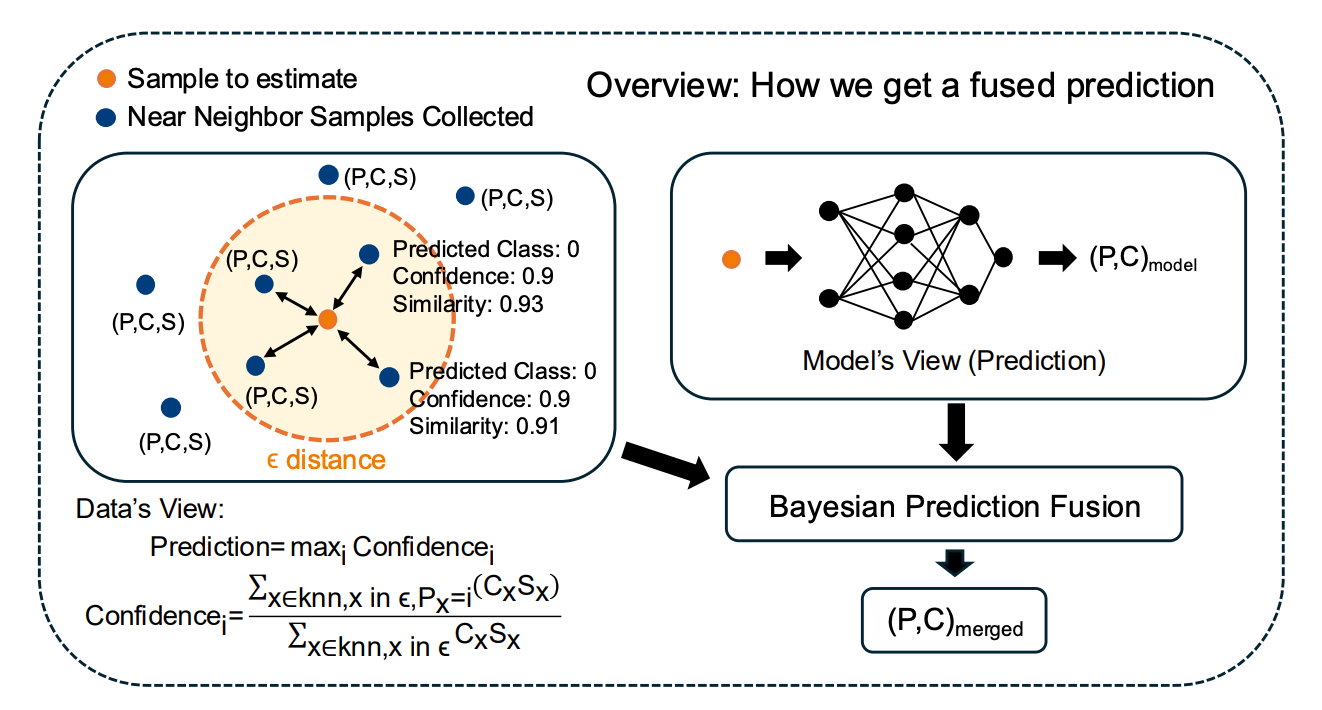
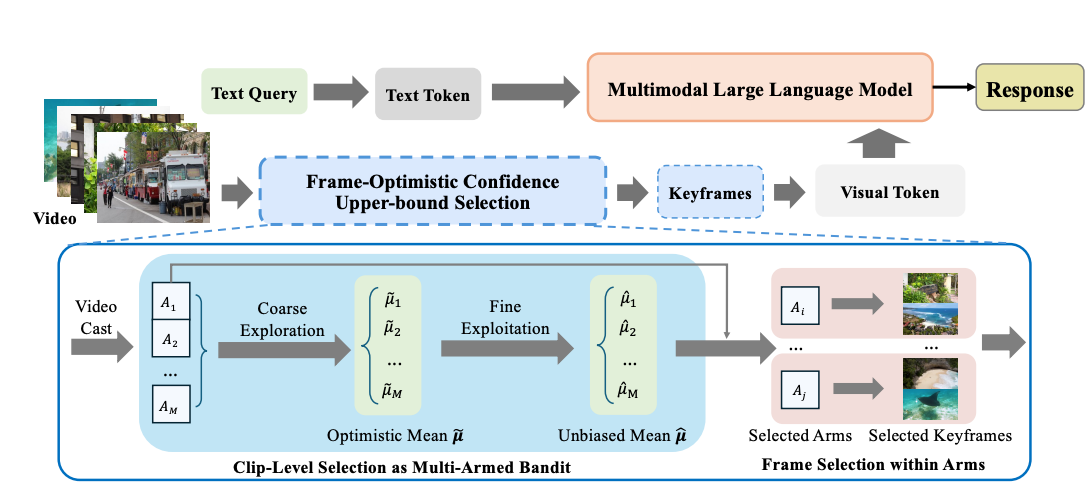
FOCUS: Efficient Keyframe Selection for Long Video Understanding
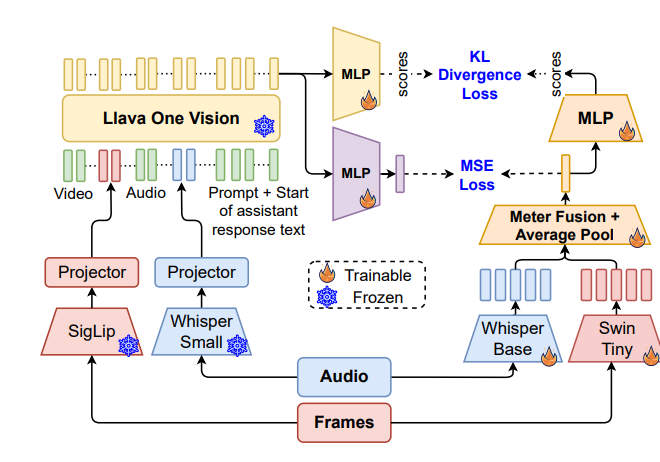
A two-stage exploration–exploitation framework for selecting informative frames from long videos. Processes less than 2% of frames while improving long-video understanding accuracy.
I lead global teams building production-scale multimodal AI systems across video, image, audio and text — bridging frontier research with systems that operate at internet scale.
Technically, our team develops and deploys advanced LLM, VLM, and multimodal (“Omni”) models that understand text, images, video, and audio. We pre-train internal foundation models and adapt them for large-scale production across a broad range of downstream applications.
Alongside product development, we collaborate with academic institutions including the National University of Singapore and its high-performance computing research labs. Our research spans long-video understanding and grounding, efficient small language models, advanced vision backbones, multimodal representation learning, and speech processing. We regularly publish at top-tier AI conferences and file patents based on our innovations.

My work focuses on multimodal understanding and efficient machine learning systems, with an emphasis on models that can be deployed reliably at very large scale.
“I believe in building AI systems that positively impact billions of lives — by combining research, engineering, and a deep understanding of real-world problems.”

A two-stage exploration–exploitation framework for selecting informative frames from long videos. Processes less than 2% of frames while improving long-video understanding accuracy.

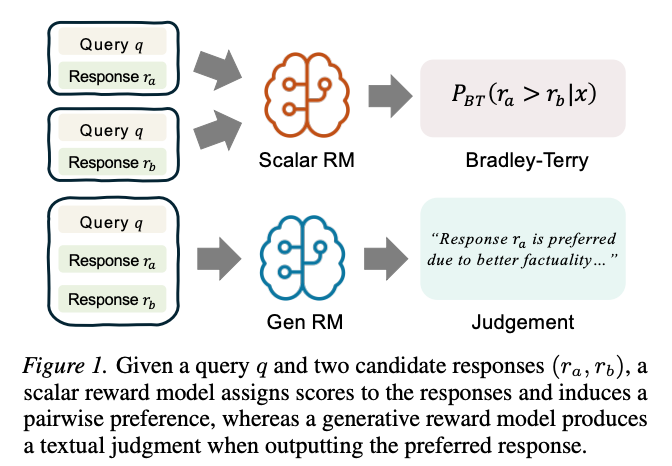
Efficient and interpretable reward modeling that invokes reflection only for low-confidence instances, establishing a stronger accuracy–efficiency Pareto frontier.

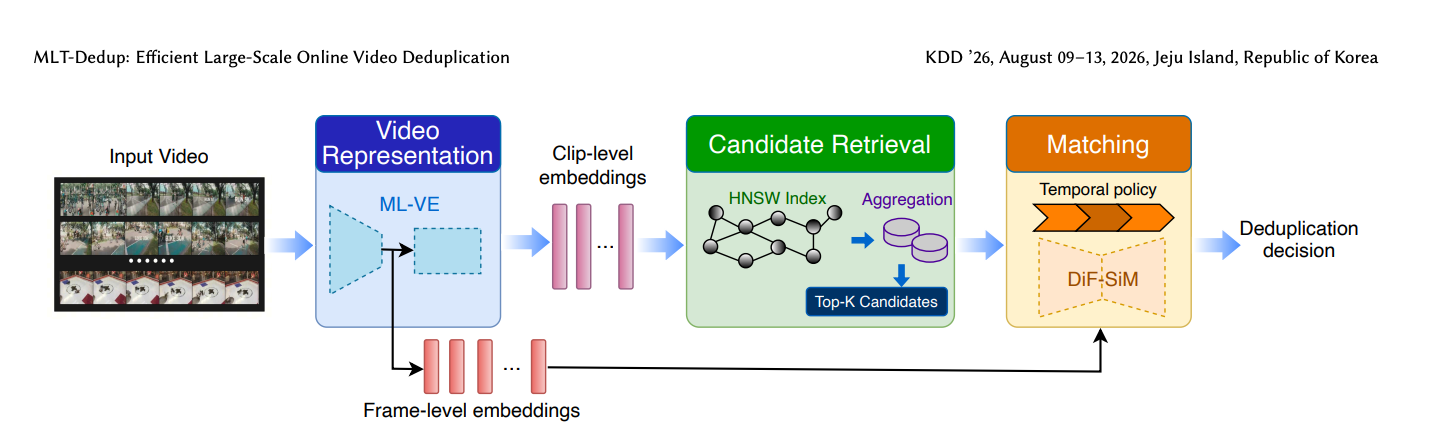
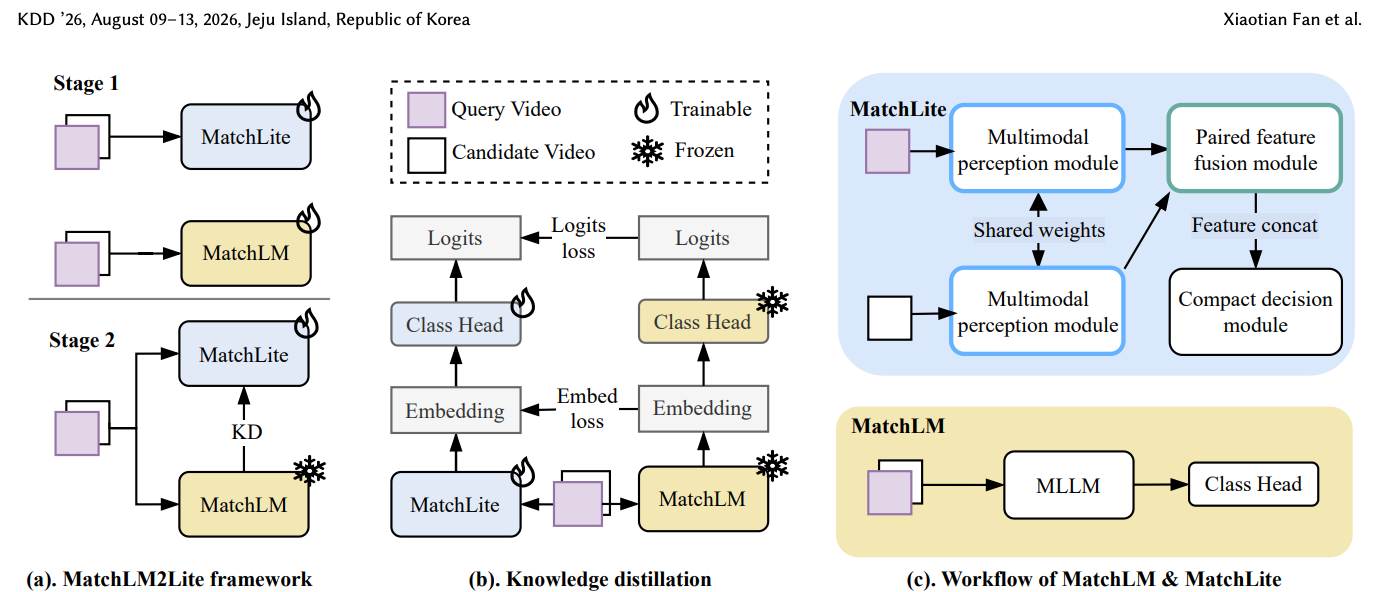
Multi-level representations and spatial-temporal matching for scalable near-duplicate video retrieval and precise segment localization.


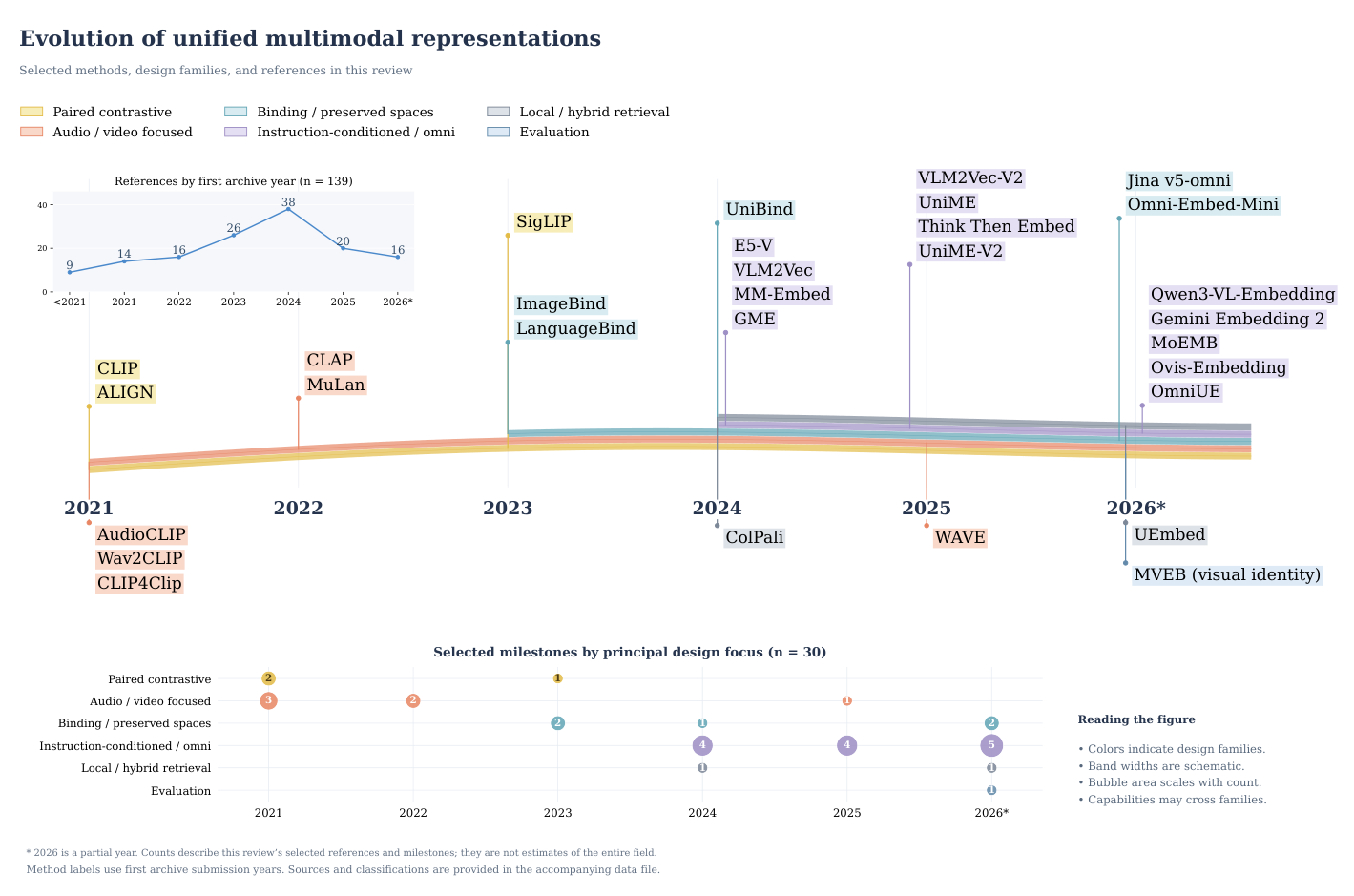
A review of multimodal embeddings, connecting architectures and alignment strategies to retrieval across text, images, video, and audio.
Kanchan, S., Jana, E., & Agrawal, D. (2026). Unified Multimodal Representation Learning: Architectures, Alignment, and Retrieval. Zenodo. https://doi.org/10.5281/zenodo.23227885

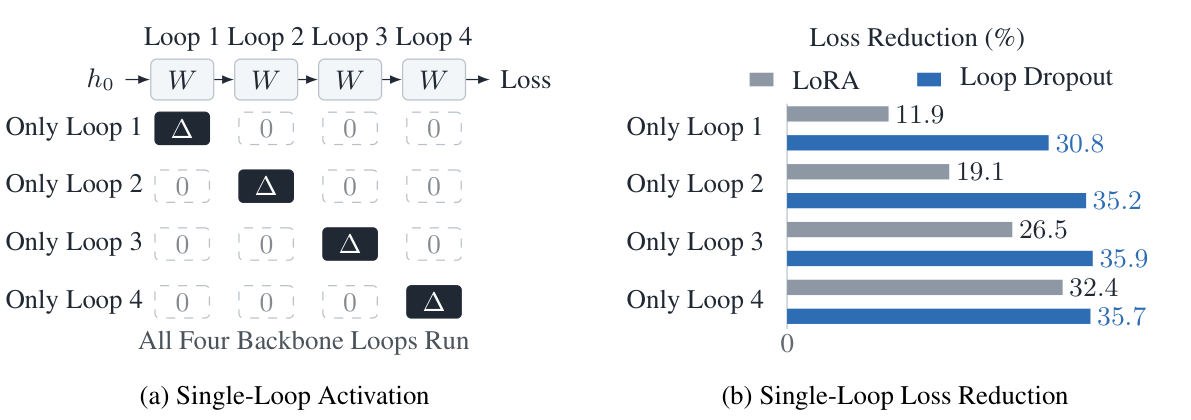
Stochastic masking with inverse-survival rescaling improves shared LoRA adaptation across loops, supporting mathematical reasoning, instruction tuning, and code generation.

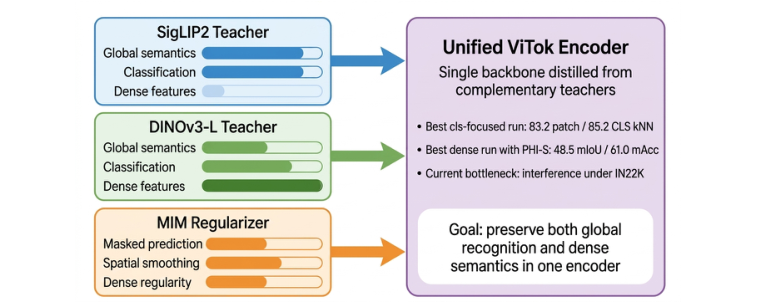
Combines SigLIP2 and DINOv3-L teachers with masked image modelling and PHI-S feature balancing to preserve global recognition and dense semantics.

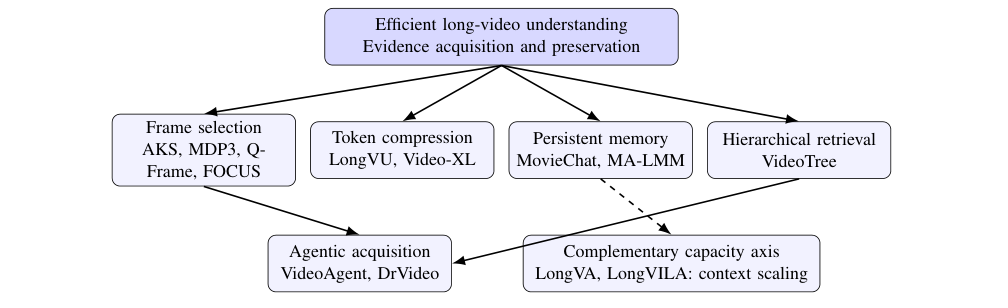
A survey of query-aware frame selection, visual-token compression, persistent memory, hierarchical retrieval, and agentic evidence acquisition for efficient long-video understanding.

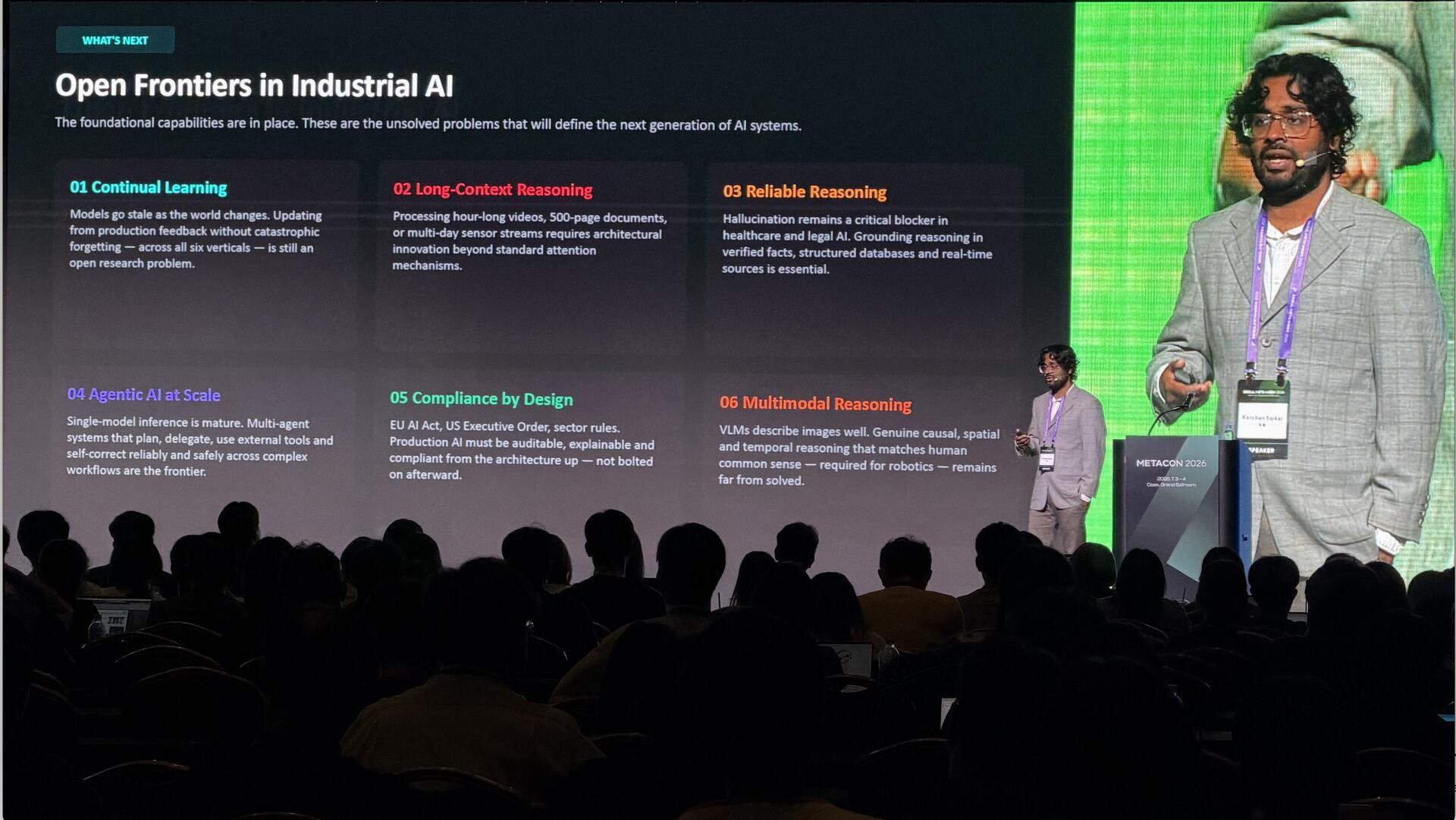
Invited talk on translating advances in foundation models into reliable industrial AI systems serving global-scale products.

Lessons in model design, retrieval, efficiency, deployment and iteration when research must survive real-world scale.

Leading global AI research and engineering teams working on multimodal content intelligence, similarity, originality, recommendation quality, content integrity, speech/audio intelligence and large-scale retrieval.

Computer vision and e-commerce AI, including product understanding, segmentation, detection and large-scale visual systems.

Multimodal product matching, NLP, review summarization, product description parsing and attribute tagging across large-scale e-commerce catalogs.
Developed virtualization and enterprise systems components using C++, Python and Microsoft Azure technologies.

Developed and optimized enterprise ETL pipelines for large-scale data integration, testing, deployment and performance tuning.
Reviewer across leading machine learning, computer vision and data mining venues, including NeurIPS, ICML, ICLR, KDD, WACV and IEEE TCSVT, plus ICML, KDD and ACL workshops.